
The Reconstructed Chronology of the Egyptian Kings.
M. Christine Tetley
ISBN 978-0-473-41906-6
Contact details have been updated since publication:
Email: barry.tetley@gmail.com
Editor’s Whangarei postal address is no longer correct
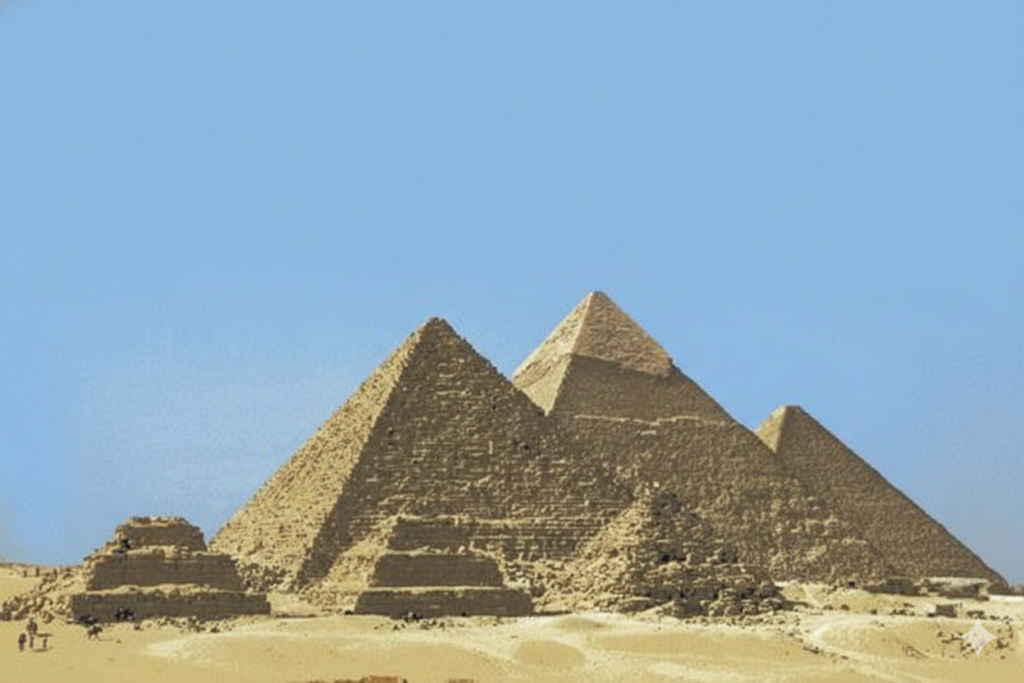
The calendars and chronology of ancient Egypt remain a subject of uncertainty and conflict for Egyptologists and scholars. Many of their proposals depend on the synchronization of an encounter between King Rehoboam of Judah with Egypt’s King Shoshenq I. Earlier, Dr Tetley established that the date of the encounter in Judean and Egyptian chronology was 977 BCE. Awarded a doctorate for her Judean work, she now presents the Egyptian chronology in full. She writes for the benefit of scholars, with extensive references as footnotes. The PDF format preserves the tables, figures, references and cross-referencing during downloading.
Calendars and chronology are also for ordinary folk who celebrate festivals, holidays, and keenly note the seasons of the year. This material may be challenging, but not beyond the capacity of the general reader. Two key items of evidence in understanding the calendar of Upper Egypt are the Ebers Calendar on a record of medical treatment, and dates in a package of letters sent by Hekanakhte about his workers’ food supply until harvest. Ordinary stuff! So these chapters are written to help ordinary folk to understand. Egyptian calendars and chronology governed daily life, determining festival and holiday seasons just like ours marks annual events like New Year and Easter, as the passage of years also identifies our dates of birth and death; and for the Egyptian kings, their date of accession to the throne.
One person who carefully read the entire book said, “I have learned an awful lot, even if I don’t understand a lot of the technical details of the variety of dates, overlapping dynasties, and other bits and pieces. I do understand a lot more about Egyptian chronology than I did before. I had absolutely no idea it was so complicated and that so many scholars had different views and have got it wrong. Christine has superbly conveyed her vast knowledge in a logical, intelligent, and masterful way. I’m convinced she is right in her version. You can’t argue with lunar dates.”
Don’t skip the early chapters, which establish the calendar of Upper Egypt and the civil date of the annual “heliacal rising of Sothis”. The Sothic cycle in Upper Egypt ended in 1414 BCE after which the ‘Era of Menophres’ (Memphis, in Lower Egypt) prevailed throughout Egypt into Greco-Roman times. Also, learn how Casperson’s tables give the exact date of the new moons, so often linked in Egyptian inscriptions to festivals and notable events.
Barry Tetley – Editor
barry.tetley@gmail.com